 Comparison
Candid vs Posed Wedding Photography: Which Style Fits You
Last Updated: November 15, 2026
Quick Summary
Candid vs posed wedding photography depends on how you want the day to feel when you look back. Candid photography captures real moments as they happen, while posed photography gives you deliberate, directed portraits. Most couples end up wanting some of each.
- Candid photography documents real emotion and unplanned moments without asking people to stop and pose.
- Posed portraits give you control over how you look and require scheduled portrait time.
- A candid approach cannot guarantee a specific shot, and may miss planned group photos.
- Plan family and couple portraits in a defined window, often after the ceremony or during cocktail hour.
- Ask who takes the posed images before booking, since candid-only portfolios may not cover formal portraits.
Table of Contents
- Candid vs Posed Wedding Photography at a Glance
- Candid Wedding Photography: Pros, Cons, and Examples
- Posed Wedding Portraits: Pros, Cons, and Examples
- Candid vs Posed Wedding Photography Style Pictures Side by Side
- Choosing the Right Style for Your Wedding Type and Timeline
- Booking Your Wedding Photographer: Next Steps With Karen J Hawley Photography
- Frequently Asked Questions
Candid vs posed wedding photography: which style fits you depends on how you want your day to feel when you look back on it. Choosing between spontaneous moments and directed portraits can also mean finding a balance between the two, and natural wedding photography tips can help you think about how to keep candid images feeling true to your day.
Candid vs Posed Wedding Photography at a Glance
Candid wedding photography documents real moments without asking guests or the couple to stop and pose. For practical tips on looking natural in posed shots, see looking natural in posed wedding portraits.
Factor | Candid | Posed |
|---|---|---|
Main focus | Real emotion and unplanned moments | Composed, deliberate portraits |
Photographer role | Observes and anticipates | Directs poses, light, and framing |
Best for | Storytelling and authentic emotion | Formal family and couple portraits |
Time needed | Works within the normal flow of the day | Requires scheduled portrait time |
Typical look | Natural, unselfconscious, documentary | Polished, classic, styled |
Watch out: a photographer who promises only candid images may still need to arrange a few family group photos, so ask how they handle formal portraits before you book.
Candid Wedding Photography: Pros, Cons, and Examples
Candid photography suits couples who care most about how the day felt rather than how they looked standing still. The style relies on the photographer staying close to the action and reading the room.
The limitations are real. You cannot guarantee a specific shot, and a candid approach can miss planned group photos if no portrait time is scheduled. Lighting can also be less controlled during fast-moving moments such as the reception.
What candid photography captures on the wedding day
Candid work focuses on the moments that happen between the planned events. Common examples include:
- A parent wiping away tears during the processional
- Guests laughing during the toasts
- The couple sharing a quiet look before the first dance
Posed Wedding Portraits: Pros, Cons, and Examples
Posed photography gives you control over how you appear in your images. If you feel stiff in front of the camera, read how to feel natural in your wedding photos for ways to relax into directed poses.
The trade-off is time. Posed portraits require scheduling, and the results can feel stiff if subjects are uncomfortable. A skilled photographer will guide you through simple poses and keep the session relaxed, but some people still feel awkward in front of the camera.
When directed portraits make the most sense
Directed portraits work best in specific situations:
- Formal family groupings that include grandparents or extended relatives
- Bridal party photos that need everyone visible and aligned
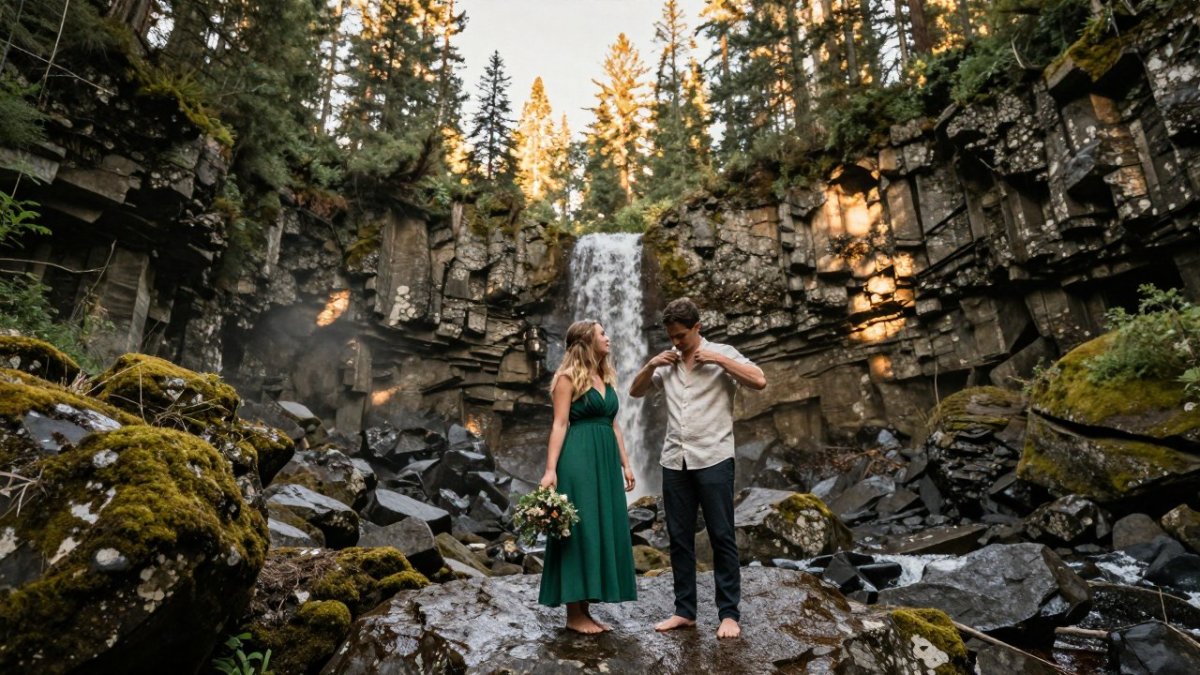
- Couple portraits against a particular scenic backdrop
Plan these portraits in a defined window, often after the ceremony or during cocktail hour, so they do not crowd out the rest of the day.
Candid vs Posed Wedding Photography Style Pictures Side by Side
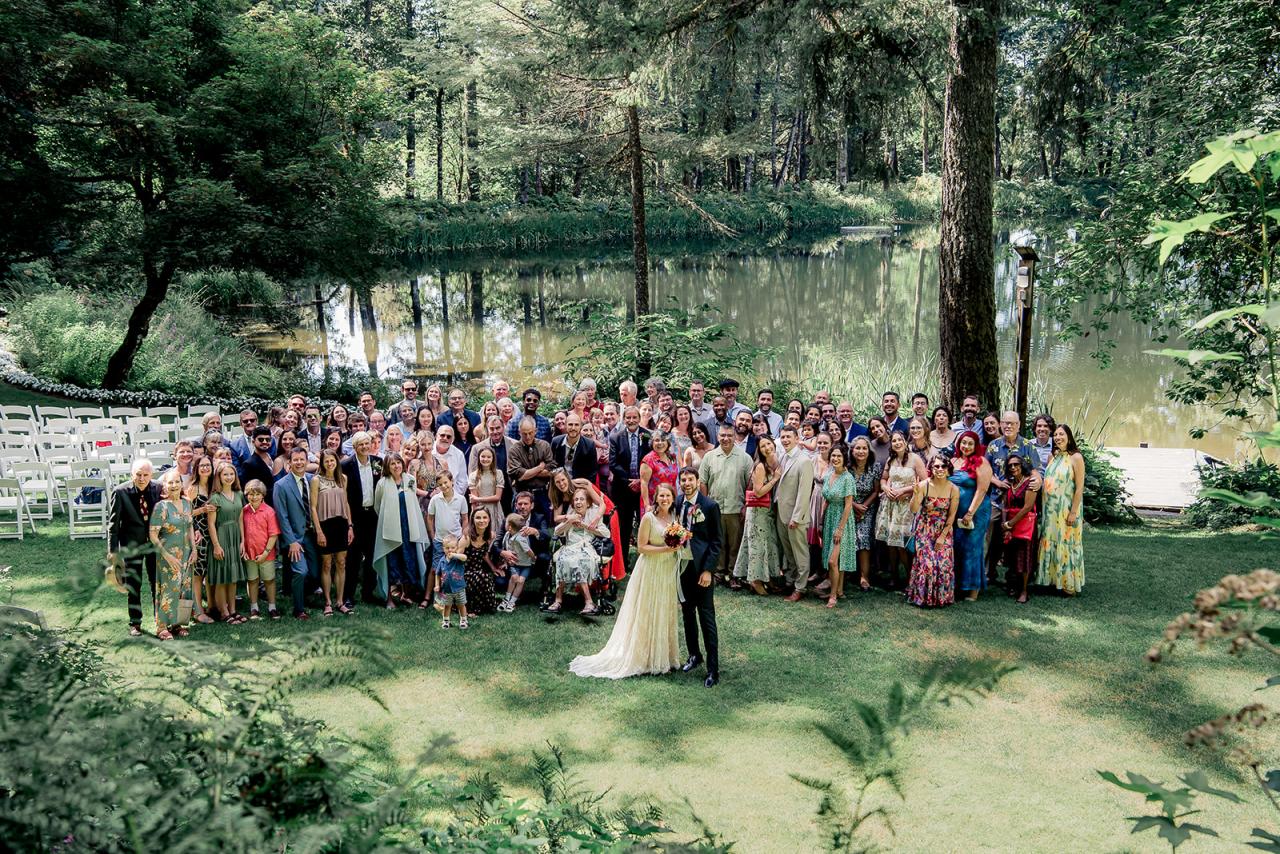
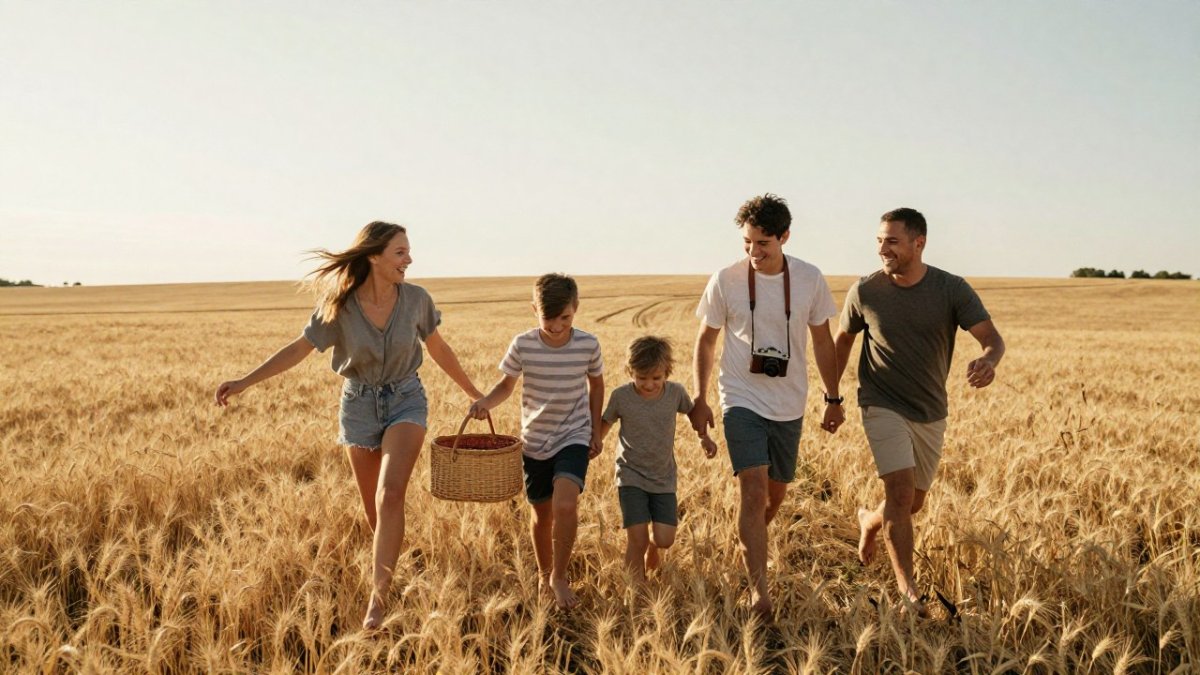
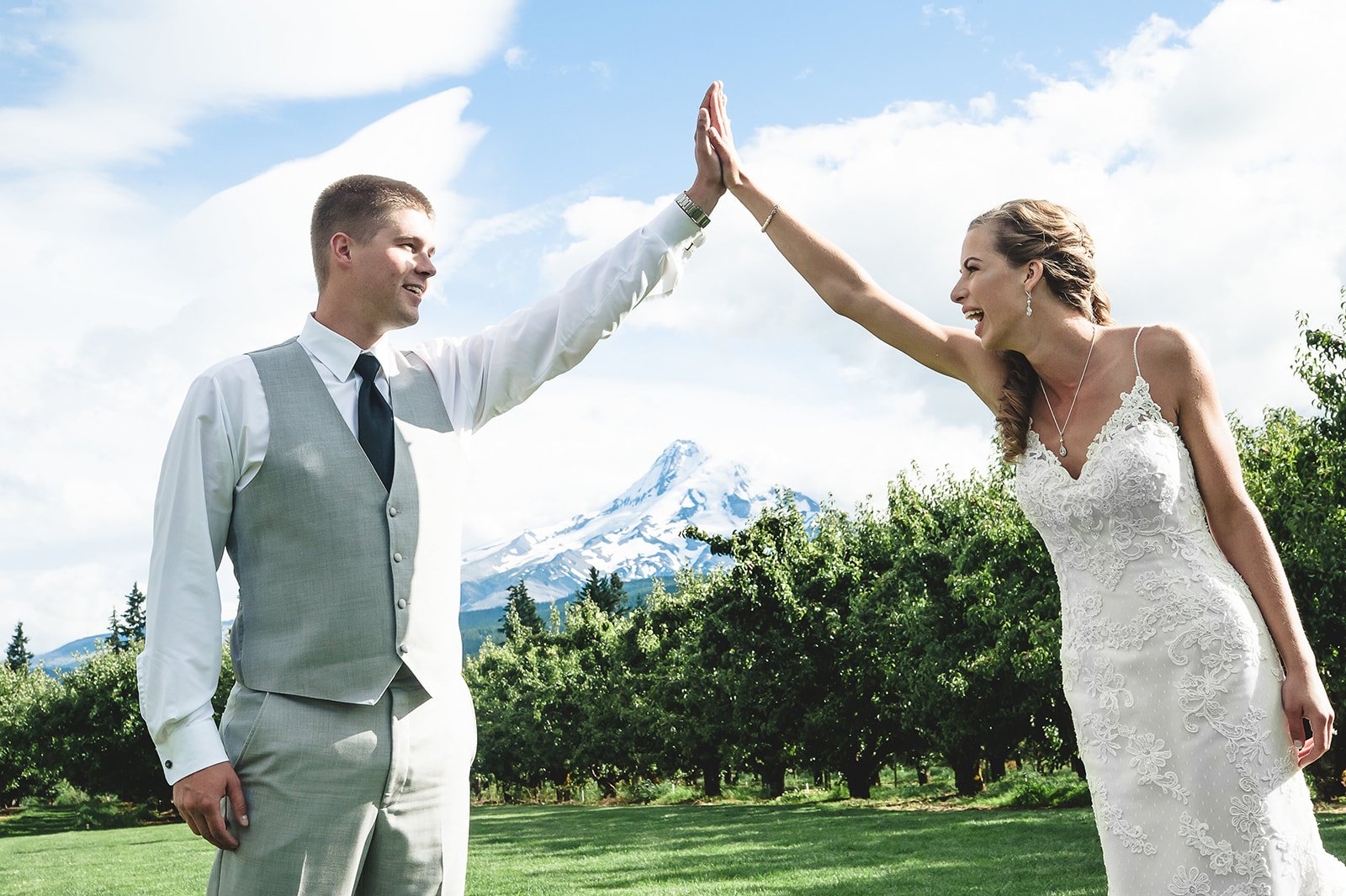
Looking at both styles side by side shows the difference clearly, but the useful comparison is what the photographer had to do to make them. A candid frame might show two people laughing as they walk together, with the photographer unseen and the light falling where it falls.
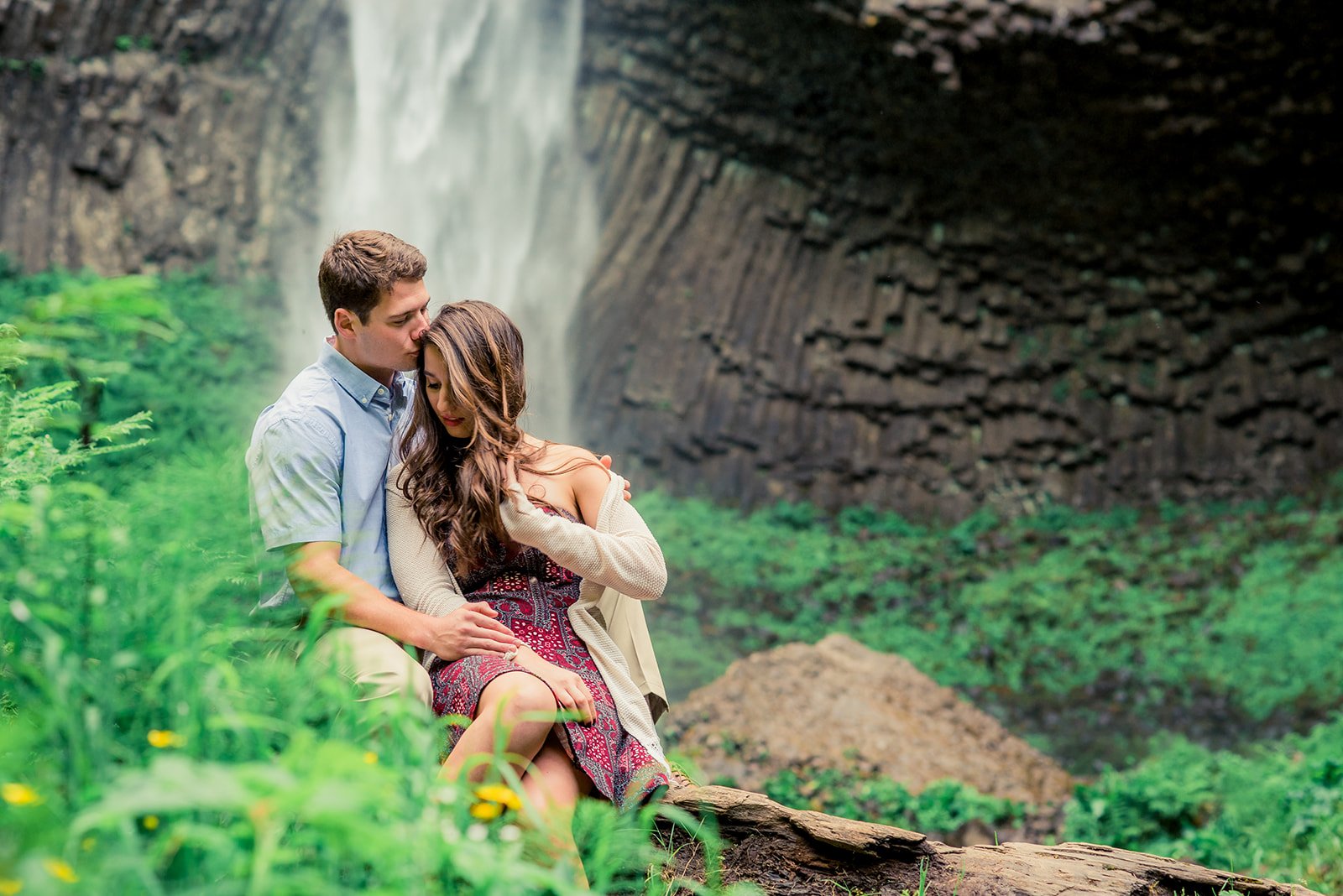
Bride and groom laughing during a candid vs posed wedding portrait session at the Columbia River Gorge overlook
Here is how the two styles tend to differ in the frame itself:
- Body language: Candid images show weight shifting, hands in motion, and people mid-gesture. Posed images show settled posture, aligned shoulders, and hands placed with intent.
- Eye contact: Candid frames often catch people looking at each other or away from the camera. Posed portraits usually include at least a few frames with everyone looking toward the lens.
- Background: Candid backgrounds are whatever was behind the moment, a crowded dance floor, a cluttered getting-ready room. Posed backgrounds are chosen and often cleaned up before the shutter fires.
In practice, the two styles complement each other. A candid image captures how you felt in the moment, and a posed image shows how you looked at your best. A useful way to judge a photographer is to look beyond a highlight reel of only the strongest images. Ask to see two or three full galleries from weddings similar to yours in size and venue, then look for these cues:
- Candid consistency: In a full gallery, do the unposed moments look intentional, or do many frames show backs of heads, half-closed eyes, or motion blur? A strong documentary photographer delivers a high hit rate, not just a few lucky frames.
- Posed variety: In the portrait sets, does the photographer vary posing and framing, or does every couple portrait use the same angle and hand placement? Variety suggests the photographer can adapt to your venue and comfort level.
- Transitions: Look for images that bridge the two styles, a posed family group that breaks into laughter, or a candid moment during a portrait session. These show whether the photographer can move between direction and observation without the day feeling staged.
Watch out: a photographer whose portfolio shows only candid work may not cover formal portraits, so ask who takes the posed images before you book.
Choosing the Right Style for Your Wedding Type and Timeline
The right balance depends on your wedding type, guest count, and schedule, but the most useful way to decide is to map each style onto the actual hours of your day. A small, intimate ceremony may lean heavily candid; a traditional wedding with a large extended family may need more posed group photos. Most couples land on a hybrid: documentary coverage of the whole day, plus short, planned portrait windows for family and couple images.
A practical wedding-day timeline for both styles
Use this as a starting framework and adjust it to your ceremony time and venue rules:
- Getting ready (60-90 minutes): Candid coverage of details, dresses, and interactions, plus a short directed window for individual portraits and bridal party photos. Keep the directed portion to 15-20 minutes so it does not eat into the relaxed coverage.
- First look or pre-ceremony couple portraits (20-30 minutes): Posed and lightly directed, because this is the most controlled light of the day and the time when you are least rushed.
- Ceremony (30-60 minutes): Almost entirely candid, with a few planned frames, processional, vows, rings, first kiss, recessional, that the photographer knows to anticipate.
A balanced shot list to share with your photographer
A shot list is not a script for the whole day, it is a short priority document. Most photographers prefer a list of must-have groupings and a handful of specific moments, not a frame-by-frame plan that competes with spontaneous coverage. A workable list includes:
- Family groupings: Names and relationships, written out, with anyone who should be included or excluded noted.
- Priority candid moments: Three to five moments you care most about, such as a grandparent's reaction during the toast or a specific tradition.
- Portrait priorities: Which backdrops or locations matter, and whether you want any posed images with pets, heirlooms, or cultural items.
Realistic trade-offs to plan around
Candid coverage cannot guarantee a specific moment. If a grandparent's reaction or a particular dance move matters to you, tell the photographer in advance so they can position themselves, but understand that the moment still has to happen naturally. Formal portraits, by contrast, require time and coordination: every additional family grouping adds minutes, and late-arriving relatives can stall the whole sequence.
Other factors worth weighing
- Guest count: Large groups need planned portrait time to get everyone in frame.
- Ceremony style: Religious or formal ceremonies often include set moments that suit posed shots.
- Venue and location: Remote or scenic venues may offer strong backdrops for portraits, but travel between locations eats into portrait time.
Watch out: a timeline that schedules family portraits during cocktail hour can pull you away from guests and leave the groups feeling rushed, so confirm the order of events with your photographer and planner before the day.
Booking Your Wedding Photographer: Next Steps With Karen J Hawley Photography
Once you know which style appeals to you, the next step is finding a photographer whose portfolio matches it. Look for full galleries that show both candid moments and posed portraits, and ask how the photographer handles group photos and timing.
If you are weighing a candid-focused approach in the Portland area, you can explore Karen J Hawley's wedding photography to see how the work is structured, and learn how to book an artistic wedding photographer in Portland before you reach out. You can also compare wedding photography packages for Portland-area couples before you reach out.
Quick image delivery and a relaxed day are good questions to raise during your consultation. If you want to talk through which style fits your wedding, let's chat!
Frequently Asked Questions
What is the difference between candid and posed photography?
Candid photography captures people as they behave naturally, without being asked to pose, so moments like laughter, tears, and stolen glances are recorded as they happen. Posed photography is directed by the photographer, who guides the couple or family into specific positions, expressions, and framing. Candid images tend to feel spontaneous and documentary in tone, while posed images tend to feel polished and classic. Most couples end up wanting a balance of both, which is why many photographers offer a blended approach across the wedding day.
What is candid photography at a wedding?
Candid photography at a wedding means the photographer documents guests, the couple, and family as the day unfolds, without staging the moment. Photographers often follow the flow of the ceremony, reception, and getting-ready time, watching for natural interactions and emotions. Candid coverage is especially valued for capturing real reactions during vows, toasts, and the first dance. Because the photographer is reacting rather than directing, the results depend heavily on timing and the photographer's ability to stay low-key so that guests stop noticing the camera.
Can wedding photography be both candid and posed?
Yes. Many couples book a photographer who delivers both styles, using posed portraits for formal family groups, couple portraits, and the wedding party, and candid coverage for the ceremony, reception, and everyday moments. A practical approach is to schedule posed portraits during a dedicated portrait window, often before the ceremony or during cocktail hour, and let candid coverage run through the rest of the day. Asking a photographer to show portfolio examples of both styles helps confirm that they can deliver each one well.
How do you get natural-looking wedding portraits?
Natural-looking portraits usually come from a photographer who gives gentle, specific direction and keeps the session relaxed. Instead of rigid poses, a good photographer may ask the couple to walk, talk, or laugh together, which softens expressions and body language. Shorter, focused portrait sessions and a calm presence also help people who feel awkward in front of the camera. If stiff-looking photos are a concern, ask the photographer how they guide clients and whether they can share a recent portrait session as an example.